

We often think of our homes as safe havens, places where we can relax and unwind away from the dangers of the outside world. However, for those living in older properties, a silent threat might be hiding just beneath the surface. Asbestos, a material once hailed for its miraculous fire-resistant properties, has a dark legacy. Among the various forms and applications of this mineral, Asbestlint stands out as a particular concern that many homeowners are surprisingly unaware of.
Imagine finding an old roll of tape or a strip of insulation in your attic. It looks harmless—perhaps a bit dusty and fibrous—but it could be Asbestlint, a type of asbestos tape or ribbon used extensively in the past for insulation and sealing. While the modern construction industry has largely moved away from these hazardous materials, the legacy of Asbestlint remains in thousands of buildings, posing significant health risks to unsuspecting residents and renovation enthusiasts.
In this comprehensive guide, we will dive deep into what Asbestlint is, why it was used, the severe health implications it carries, and, most importantly, how you can identify and manage it safely. Whether you are planning a renovation or just want to ensure your family’s safety, understanding Asbestlint is the first step toward a healthier home environment.
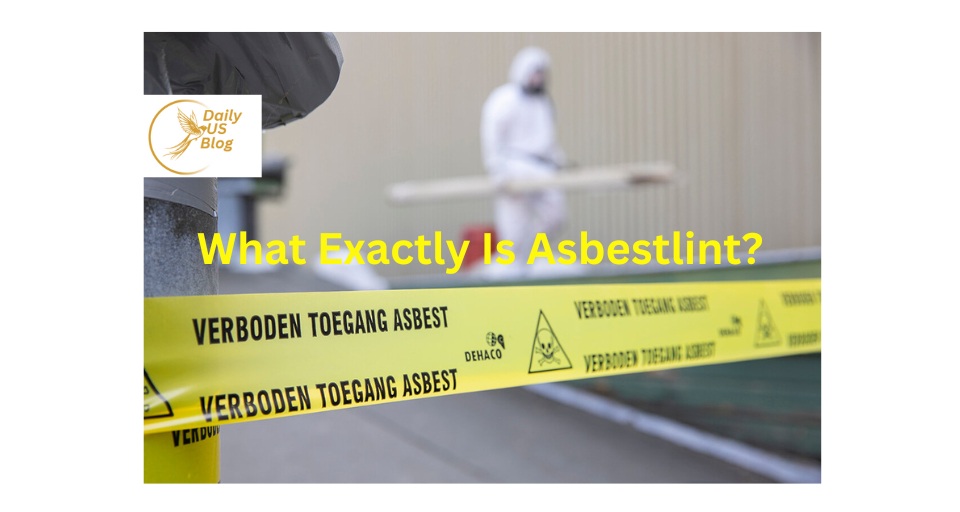
What Exactly Is Asbestlint?
Defining the Material
To understand the risk, we must first define the enemy. Asbestlint is essentially a trade name or common term used to describe a specific application of asbestos fibers, often woven into a tape, ribbon, or cloth-like material. Historically, it was manufactured using chrysotile (white asbestos) or sometimes crocidolite (blue asbestos) fibers, which were spun into threads and woven.
The result was a flexible, durable, and highly heat-resistant strip. Unlike solid asbestos boards or loose-fill insulation, Asbestlint was often used for precision tasks—wrapping electrical wires, sealing joints in heating ducts, or insulating hot water pipes. Its flexibility made it a favorite among builders and electricians in the early to mid-20th century.
Why Was It Used?
The popularity of Asbestlint wasn’t accidental. It offered a trifecta of benefits that were hard to beat at the time:
- Fire Resistance: It could withstand incredibly high temperatures without burning or melting, making it ideal for electrical and heating applications.
- Insulation: It provided excellent thermal and electrical insulation.
- Durability: It was resistant to rot, corrosion, and chemical damage.
Unfortunately, the very fibers that gave Asbestlint its strength are also what make it so dangerous today. As the material ages, it becomes friable—meaning it can easily crumble into a powder, releasing microscopic fibers into the air.
The Health Risks Associated with Asbestlint
The Silent Mechanism of Harm
The danger of Asbestlint lies in its microscopic nature. When the material is disturbed—whether through cutting, sanding, or simply deteriorating over time—it releases tiny asbestos fibers into the air. These fibers are invisible to the naked eye and odorless, making them impossible to detect without specialized equipment.
When inhaled, these sharp fibers can travel deep into the lungs. Unlike organic dust, the body cannot easily break down or expel asbestos fibers. They become lodged in the lung tissue, causing inflammation and scarring that can lead to severe health issues decades after the initial exposure.
Major Health Conditions
Exposure to Asbestlint is linked to several life-threatening diseases:
Mesothelioma
This is perhaps the most feared consequence of asbestos exposure. Mesothelioma is an aggressive form of cancer that affects the lining of the lungs (pleura), abdomen, or heart. It is almost exclusively caused by asbestos exposure. The tragic reality of mesothelioma is its latency period; symptoms can take 20 to 50 years to appear after exposure to materials like Asbestlint.
Asbestosis
Asbestosis develops when asbestos fibers are inhaled and become lodged in the lungs, leading to a chronic lung condition. The fibers irritate the lung tissue, leading to scarring (fibrosis). As scar tissue forms, the lungs lose their elasticity, making breathing more challenging. Unlike cancer, asbestosis is not a tumor but a progressive scarring process that significantly reduces quality of life.
Lung Cancer
While smoking is the leading cause of lung cancer, exposure to Asbestlint significantly increases the risk. The combination of smoking and asbestos exposure creates a synergistic effect, multiplying the risk far beyond the sum of the two individual factors.
Identifying Asbestlint in Your Home
Common Hiding Spots
If your home was built before the 1980s, there is a possibility that Asbestlint is present. It wasn’t just used in industrial settings; it found its way into residential properties too. Here are the most common places to look (but not touch!):
- HVAC Systems: Check the joints of old heating ducts. Asbestlint was frequently used as a sealant tape around ductwork connections.
- Electrical Wiring: Old fuse boxes or vintage wiring systems, especially cloth-covered wires, may contain asbestos insulation.
- Plumbing: Hot water pipes were often wrapped in asbestos materials. Look for fibrous, tape-like wrappings at pipe elbows and valves.
- Appliances: Antique toasters, heaters, and ovens often utilized Asbestlint for internal insulation.
Visual Identification vs. Professional Testing
Identifying Asbestlint visually is notoriously difficult and dangerous. To the untrained eye, it might look like harmless old cloth tape or fiberglass.
- Texture: It often appears fibrous, white, gray, or off-white.
- Condition: Older Asbestlint often looks frayed or crumbling.
Warning: Never attempt to test a material by disturbing it. Sniffing, poking, or tearing a suspect material releases the very fibers you are trying to avoid. The only definitive way to confirm the presence of Asbestlint is through laboratory analysis. You should hire a certified asbestos inspector who can safely collect samples and have them tested.
Regulations and Legal Implications
The Global Shift
Governments worldwide have recognized the lethality of asbestos. In the UK, the use of all forms of asbestos was banned in 1999. In the US, while not totally banned in all applications, it is heavily regulated by the EPA and OSHA. These regulations specifically target friable materials like Asbestlint because they pose the highest risk of fiber release.
Homeowner Responsibilities
As a homeowner, you generally aren’t legally required to remove Asbestlint if it is in good condition and left undisturbed. However, you do have a legal and moral duty of care if you employ tradespeople to work in your home. You must inform electricians, plumbers, or builders if you suspect or know about the presence of asbestos. Failing to do so can lead to legal liability if they are exposed.
Furthermore, if you plan to sell your home, many jurisdictions require you to disclose known environmental hazards, including the presence of Asbestlint.
Safe Management and Removal
The “Do Nothing” Strategy
It might sound counterintuitive, but sometimes the safest action regarding Asbestlint is to do nothing. If the material is in good condition—intact, not crumbling, and located in an area that won’t be disturbed (like inside a wall cavity)—it poses little immediate risk. Asbestos is only dangerous when airborne. In these cases, monitoring the material for deterioration is often the recommended course of action.
Encapsulation
If the Asbestlint is slightly damaged but removal is too risky or expensive, encapsulation is a viable alternative. This involves coating the material with a specialized sealant that binds the fibers together, preventing them from becoming airborne. This creates a protective shell around the Asbestlint, rendering it safe as long as the seal remains intact.
Professional Abatement
When renovation is planned, or if the Asbestlint is damaged and friable (crumbling), professional removal (abatement) is the only option.
- Containment: Professionals will seal off the area with plastic sheeting and use negative air pressure machines to ensure no fibers escape into the rest of the house.
- PPE: Workers wear specialized respirators and protective suits.
- Wet Methods: They keep the Asbestlint wet during removal to suppress dust.
- Disposal: The waste is double-bagged in specific hazard bags and transported to licensed disposal facilities.
Never try to remove Asbestlint yourself. The risks to your health and the contamination of your home are simply too high.
DIY Dangers
We cannot stress this enough: DIY removal of Asbestlint is a recipe for disaster. Standard vacuum cleaners cannot trap asbestos fibers; they simply blow them back into the air, contaminating the entire room. Regular dust masks offer zero protection against microscopic asbestos fibers. By attempting to scrape or peel off Asbestlint, you could turn a manageable situation into a hazardous contamination event requiring expensive professional cleanup.
Alternatives to Asbestlint
Fortunately, modern construction has developed safe, effective alternatives that provide the same benefits without the cancer risks.
Fiberglass
Fiberglass tape and insulation have largely replaced Asbestlint. Made from spun glass fibers, it offers excellent heat resistance and insulation. While fiberglass can irritate the skin and respiratory tract, it is not carcinogenic like asbestos.
Ceramic Fiber
For extreme heat applications, ceramic fiber tapes are used. These can withstand temperatures even higher than asbestos could, making them superior for industrial and high-performance automotive applications.
Mineral Wool
Also known as rock wool, this material is made from spun molten rock. It is fire-resistant, provides great sound insulation, and is widely used in modern building codes as a safe alternative to old Asbestlint insulation.
Conclusion: Awareness is Your Best Defense
The legacy of Asbestlint is a cautionary tale about how industrial progress can sometimes have unforeseen consequences. While we can’t change the past use of these materials, we can control how we deal with them today. The presence of Asbestlint in a home doesn’t need to be a cause for panic, but it does demand respect and caution.
By understanding what Asbestlint looks like, knowing where it hides, and strictly following safety protocols—primarily hiring professionals—you can neutralize this hidden threat. Your home should be a sanctuary, and with the right knowledge, you can ensure it remains safe for you and your loved ones for years to come.
Frequently Asked Questions (FAQs)
1. Can I remove Asbestlint myself if I wear a mask?
No, standard dust masks do not filter out asbestos fibers, which are microscopic. Furthermore, household vacuum cleaners will not trap the fibers and will instead blow them into the air, contaminating your home. Removing Asbestlint requires specialized training, HEPA-filtered equipment, and full-body protective gear.
2. How do I know if the tape on my ducts is Asbestlint?
You cannot confirm it just by looking. Asbestlint often looks like white or gray cloth tape, sometimes resembling paper or plaster. If your home was built or renovated before the 1980s, treat any suspicious tape as if it contains asbestos. The only way to be 100% sure is to hire a certified asbestos inspector to take a sample for lab testing.
3. Is Asbestlint dangerous if it is painted over?
If Asbestlint is intact and has been encapsulated with paint or a specialized sealant, the risk is significantly reduced because the fibers are trapped. However, this does not make it “safe” permanently. If the paint chips or if the material is drilled, sanded, or disturbed during renovation, fibers can still be released. It should still be monitored regularly.
4. What should I do if I accidentally disturb Asbestlint?
If you accidentally tear or damage material you suspect is Asbestlint, stop what you are doing immediately. Do not try to clean it up. Evacuate the room and close the door. Seal the gap under the door with a towel (which you may need to dispose of later). Contact a professional asbestos abatement company immediately to assess the situation and perform a safe cleanup.
5. Does home insurance cover Asbestlint removal?
Typically, standard homeowners insurance policies do not cover the cost of asbestos removal. Most policies contain “pollution” or “contamination” exclusions. However, if the asbestos is disturbed due to a covered peril—like a tree falling on your house or a burst pipe damaging a wall containing Asbestlint—the cleanup might be covered as part of the claim. You should check your specific policy wording.