

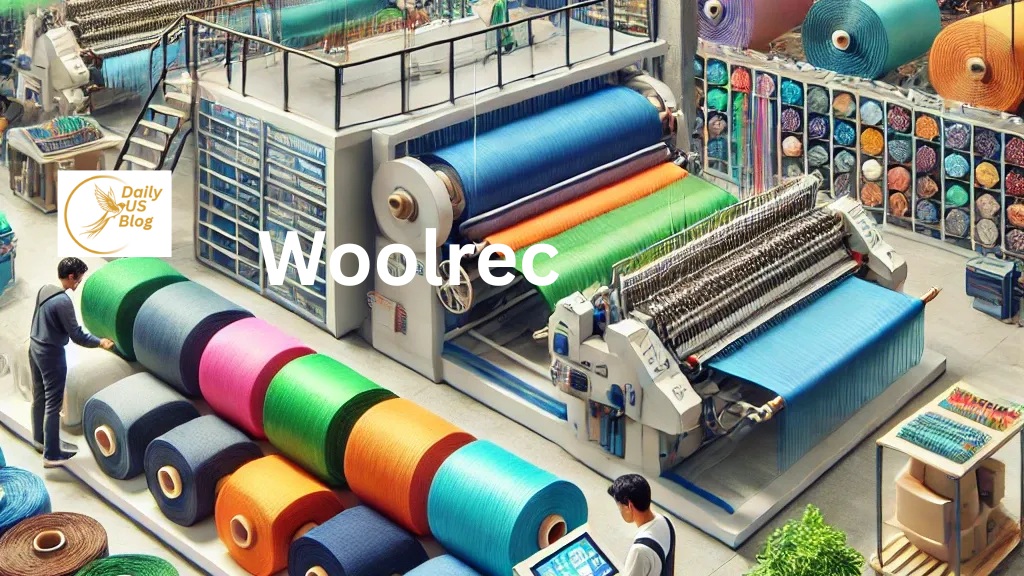
The textile industry is experiencing significant change. As consumers and producers become more aware of our environmental impact, the demand for sustainable solutions has never been higher. Every year, millions of tons of textile waste end up in landfills, creating a significant environmental burden. Amid these challenges, there are exciting possibilities for creative solutions. This is where Woolrec emerges, a pioneering force dedicated to transforming the wool industry through advanced recycling and a commitment to a circular economy.
For centuries, wool has been prized for its warmth, durability, and natural properties. However, traditional wool production comes with a considerable ecological footprint, from high water conservation needs to methane emissions from sheep farming. Woolrec is changing this narrative by creating a closed-loop system where old wool garments are given new life. This not only reduces waste but also conserves precious resources, paving the way for a more responsible and eco-friendly future in fashion and beyond. This guide will explore the world of Woolrec, its innovative technologies, and how it is making a tangible difference for our planet.
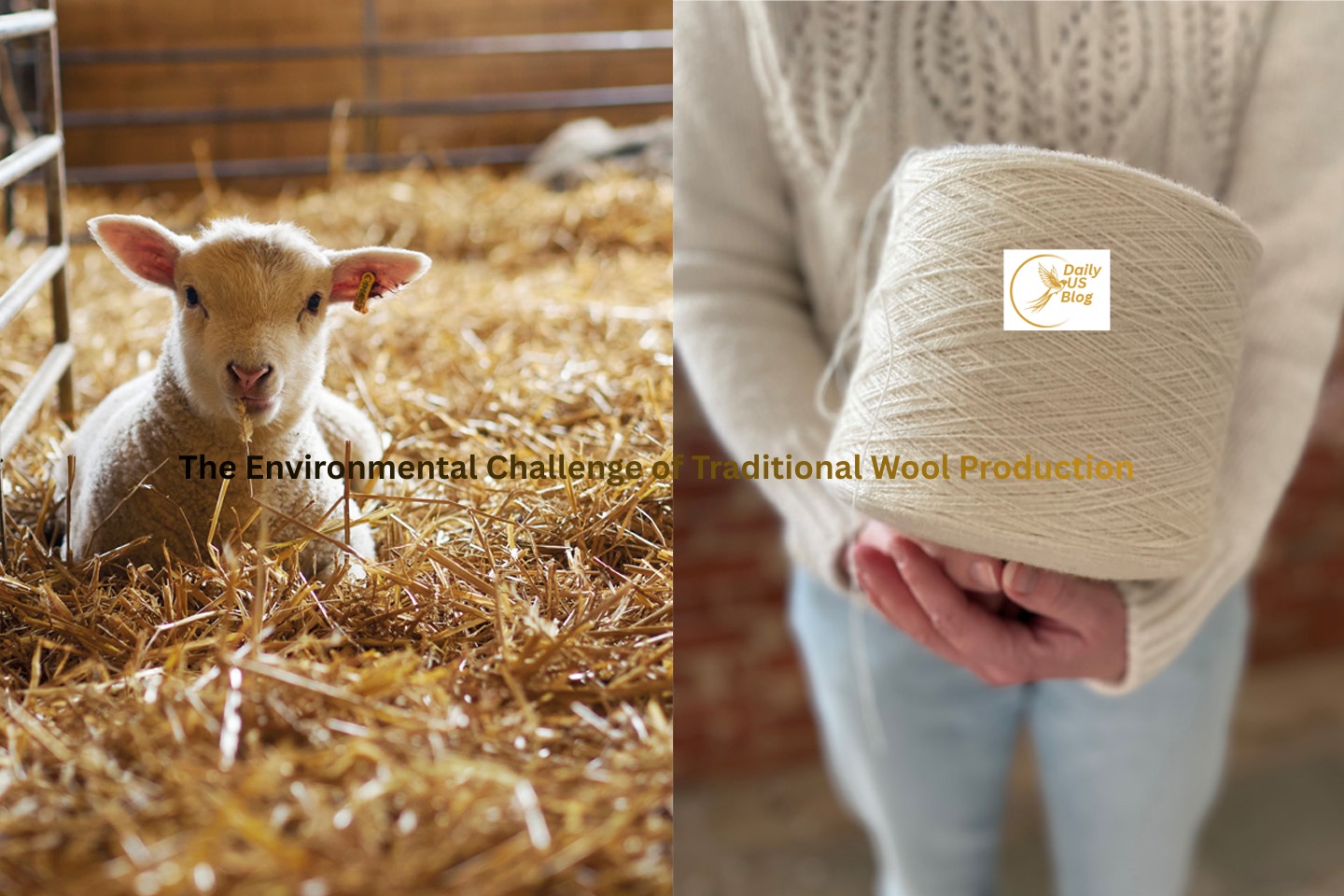
The Environmental Challenge of Traditional Wool Production
To appreciate the revolution that Woolrec is leading, it is important to understand the environmental issues tied to conventional wool sourcing. While wool is a natural and biodegradable material, its journey from sheep to sweater is resource-intensive.
Land and Water Usage
Sheep farming requires vast amounts of land for grazing, which can lead to soil degradation and habitat loss if not managed properly. Furthermore, the process is incredibly water-heavy. Thousands of liters of water are needed to care for the sheep and process the raw wool. This puts immense strain on local water supplies, particularly in regions already facing water scarcity.
Carbon Footprint and Chemical Use
Livestock, including sheep, contribute to greenhouse gas emissions, primarily through methane. This release of methane plays a major role in contributing to global climate issues. Additionally, the traditional processing of wool often involves harsh chemicals for cleaning, scouring, and dyeing. If not managed correctly, these substances can pollute waterways and harm local ecosystems. The carbon footprint of virgin wool production is a serious concern that the industry must address.
How Woolrec Technology is Creating a Sustainable Solution
Woolrec directly tackles these environmental challenges with a sophisticated and innovative approach to recycling wool. By focusing on giving existing materials a second chance, Woolrec significantly reduces the need for new wool production, creating a more sustainable and efficient system.
The core mission of Woolrec revolves around diverting wool from landfills and reintroducing it into the supply chain. This process is built on advanced technology that preserves the quality and integrity of the natural fibers.
The Woolrec Process: A Step-by-Step Guide
The journey of recycled wool through the Woolrec system is a meticulously planned process designed for maximum efficiency and quality. It transforms discarded textiles into high-value materials ready for new applications.
Collection and Sorting
The process begins with the collection of post-consumer wool garments and industrial textile waste. These materials are gathered through partnerships, take-back programs, and collection centers. Once collected, they are sent to a Woolrec facility where advanced sorting systems come into play. Automated optical scanners identify items by color, fiber composition, and quality, ensuring that only suitable materials move on to the next stage. This initial sort is crucial for creating uniform batches of recycled wool.
Mechanical and Chemical Processing
Woolrec utilizes two primary methods to break down the collected textiles: mechanical processing and chemical treatment.
- Mechanical Processing: This method involves shredding the wool textiles back into their raw wool fibers. The machinery is designed to carefully pull the fibers apart without cutting them, which helps maintain fiber strength and length. This process is energy-efficient and avoids the use of chemical additives, making it a highly eco-friendly option.
- Chemical Treatment: For textiles with complex dyes or blends, chemical treatment may be used. Woolrec employs gentle, environmentally safe solutions to strip colors and separate contaminants without damaging the wool’s natural protein structure. This process ensures the production of premium yarns with precise color characteristics.
Most Woolrec facilities use a hybrid approach, leveraging mechanical processing for its efficiency and chemical treatment for specialized needs, ensuring versatility and top-tier results.
Fiber Treatment and Yarn Production
After the breakdown process, the recovered wool fibers undergo a thorough cleaning to remove any residual impurities. The clean fibers are then carded—a process that aligns them in one direction—and spun into new yarn. Often, these recycled fibers are blended with a small percentage of virgin wool or other sustainable materials to enhance their strength and performance, meeting rigorous quality standards. The final product is a high-quality recycled wool yarn ready for manufacturing.
The Far-Reaching Benefits of Woolrec’s Circular Economy Model
Adopting a circular economy model through initiatives like Woolrec offers profound environmental, economic, and social benefits. By moving away from the traditional “take-make-dispose” system, we can build a more resilient and sustainable world.
Massive Waste Reduction
The most immediate benefit of Woolrec is the significant waste reduction. By diverting tons of wool from landfills, the technology prevents the release of methane, a potent greenhouse gas produced during decomposition. This reduction means less wool filling up landfills and lowers the strain on waste management, contributing to a cleaner environment overall.
Conservation of Natural Resources
Recycling wool drastically reduces the demand for virgin wool, leading to substantial resource savings. For every kilogram of wool recycled, thousands of liters of water are saved. The decreased need for sheep grazing also helps preserve land and promotes biodiversity. Energy conservation is another key advantage, as the recycling process requires far less energy than producing wool from scratch.
Lowering the Carbon Footprint
The Woolrec process generates up to 70% fewer greenhouse gas emissions compared to virgin wool production. This reduction comes from eliminating the need for sheep farming, transportation of raw materials, and energy-intensive primary processing stages. Choosing products made with recycled wool from Woolrec is a direct way for consumers to lower their personal carbon footprint.
Diverse Applications of Recycled Wool
The high-quality material produced by Woolrec technology is incredibly versatile, finding its way into a wide array of industries beyond just clothing. This versatility ensures that nearly all collected wool can be repurposed, contributing to a zero-waste goal.
In the Fashion Industry
The fashion industry is a primary beneficiary of Woolrec. Designers are increasingly incorporating recycled wool into their collections to meet consumer demand for sustainable apparel. From cozy sweaters and stylish coats to durable accessories, recycled wool offers the same warmth and comfort as virgin wool while telling a powerful story of environmental responsibility.
For Insulation and Home Furnishings
Wool’s natural properties make it an excellent material for insulation. Recycled wool fibers provide outstanding thermal and acoustic insulation for buildings, offering an eco-friendly alternative to synthetic materials. In home furnishings, recycled wool is used in carpets, upholstery, and bedding, valued for its natural fire resistance and durability.
In the Automotive and Agricultural Sectors
The automotive industry uses recycled wool for interior components like dashboard padding and seat insulation due to its excellent noise-dampening qualities. In agriculture, lower-grade wool fibers that cannot be spun into yarn are transformed into biodegradable mulch, which helps retain soil moisture and returns nutrients to the earth as it decomposes.
Driving Change Through Collaboration and Consumer Education
Woolrec understands that technology alone is not enough to create lasting change. Building a truly sustainable future requires a collective effort involving brands, organizations, and consumers.
Strategic Collaborations
Woolrec actively partners with eco-friendly brands, designers, and manufacturers who share its commitment to sustainability. These collaborations help amplify the message of circularity and make sustainable products more accessible. By working together, these alliances can create closed-loop supply chains, where products are designed from the start to be easily recycled.
The Importance of Consumer Education
Consumer education is a cornerstone of the Woolrec mission. Through transparency and outreach, the initiative empowers shoppers to make informed decisions. When consumers understand the environmental benefits of choosing recycled wool, they become active participants in the circular movement. This drives demand for sustainable products and encourages more brands to adopt responsible practices.
The Future is Woven with Recycled Wool
The path forward for the textile industry is one of responsibility and innovation. Initiatives like Woolrec are not just a trend; they represent a fundamental shift in how we think about our resources. By embracing technologies that promote a circular economy, we can continue to enjoy high-quality products without compromising the health of our planet.
The work of Woolrec proves that sustainability and quality can go hand in hand. With its commitment to waste reduction, resource conservation, and collaborations, Woolrec is weaving a brighter, more sustainable future for the wool industry and beyond. Every garment made from recycled wool is a testament to the power of thoughtful design and a shared commitment to protecting our world for future generations.
Frequently Asked Questions (FAQs)
- What is Woolrec?
Woolrec is an innovative system and technology dedicated to recycling wool from post-consumer garments and industrial waste. It uses advanced mechanical processing and chemical treatments to break down old textiles into high-quality wool fibers that can be spun into new yarn, promoting a circular economy and reducing environmental impact. - How does recycled wool compare in quality to virgin wool?
Thanks to advanced technologies used by Woolrec, recycled wool can achieve up to 90% of the performance of virgin wool. It retains its natural warmth, breathability, and durability. By blending recycled fibers with a small amount of virgin material, the final product meets high quality standards suitable for a wide range of applications. - What are the main environmental benefits of using Woolrec technology?
The primary benefits include a significant reduction in textile waste sent to landfills, major water conservation, and a lower carbon footprint (up to 70% less than virgin wool production). It also reduces the need for land for sheep grazing and minimizes the use of chemicals in the production process. - What happens to wool that cannot be turned into new yarn?
Not all collected wool is suitable for spinning into new textiles. Lower-grade fibers are repurposed for other applications, such as building insulation, automotive soundproofing, or agricultural mulch. This ensures that almost nothing goes to waste, adhering to the zero-waste principles of a true circular economy.
5. How can consumers support the Woolrec movement?
Consumers can support Woolrec and the circular fashion movement by choosing to buy products made from recycled wool. Supporting brands that are transparent about their supply chain and committed to sustainability sends a powerful message to the industry. Participating in clothing take-back programs also ensures that old garments are diverted from landfills and given a chance at a new life.