

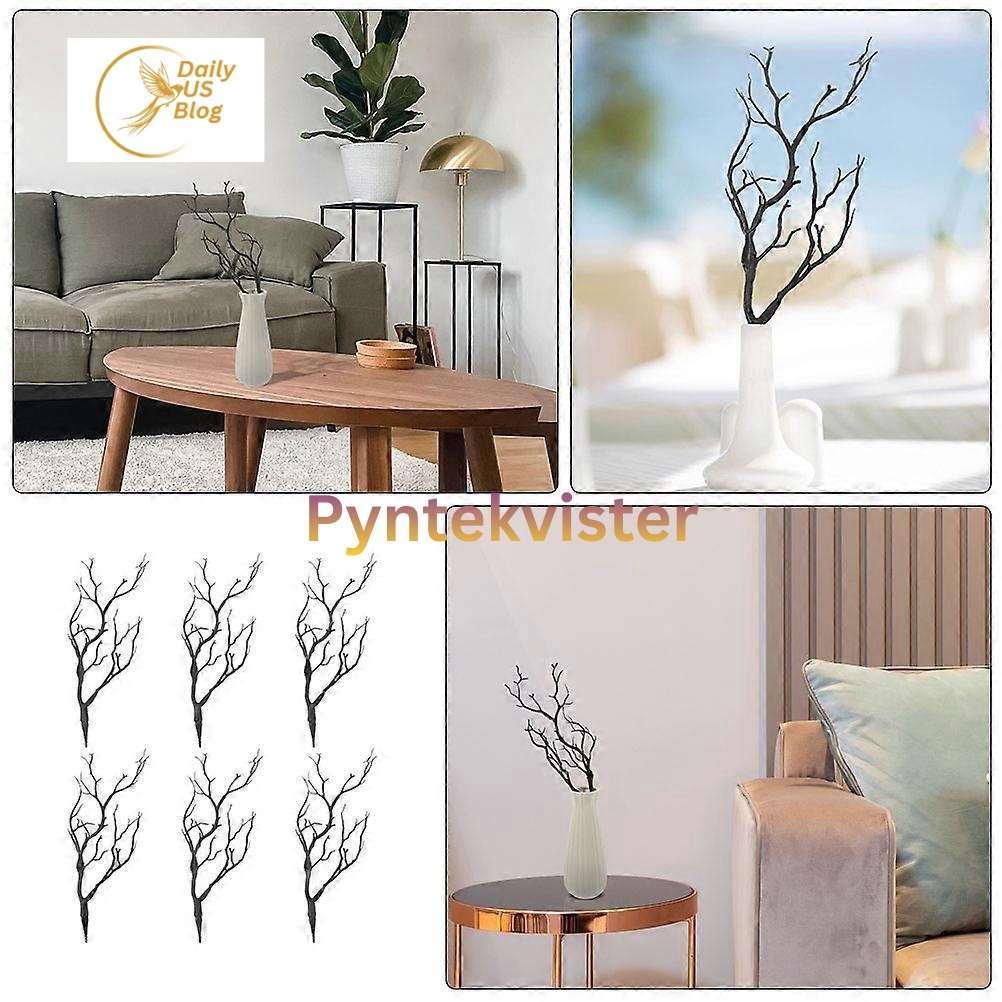
There is a unique stillness found in the Nordic forests—a quiet beauty that has inspired interior design for centuries. In an effort to capture this serenity and bring it indoors, the Scandinavian tradition of Pyntekvister was born. Translating roughly to “decorative twigs” or “ornamental branches,” this art form is far more than just placing sticks in a jar. It is a philosophy of living, a connection to the seasons, and a celebration of organic imperfection.
As modern homeowners increasingly seek sustainable and biophilic design elements—styles that connect us to nature—Pyntekvister has emerged as a leading trend. It fits perfectly within the popular “hygge” lifestyle, offering warmth, texture, and a sense of calm without the clutter. Whether you are a seasoned DIY enthusiast or someone looking to add a simple touch of elegance to your living room, understanding the art of Pyntekvister can revolutionize how you approach home decor.
In this comprehensive guide, we will explore the cultural roots of these decorative branches, how to style them for every season, and provide a detailed step-by-step tutorial on creating your own stunning arrangement.
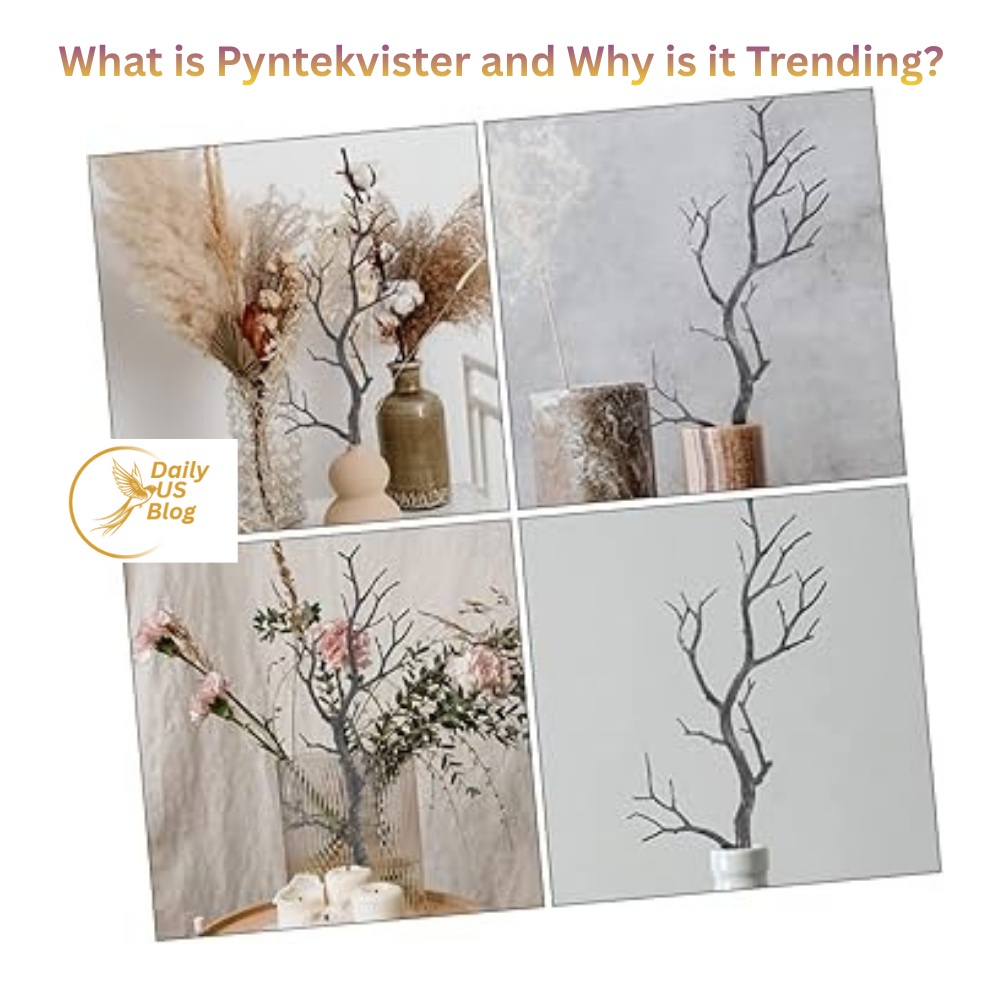
What is Pyntekvister and Why is it Trending?
At its core, Pyntekvister represents the intersection of nature and creativity. Historically, in countries like Norway, Sweden, and Denmark, winters are long and dark. The landscape is often buried under snow for months. To combat the gloom, families began bringing bare branches indoors. The warmth of the house would often “trick” these branches into blooming early, providing a much-needed sign that spring was on its way.
The Cultural Roots of the Tradition
While today we see Pyntekvister as a stylish decor choice, its roots are deeply embedded in folklore and seasonal rituals. One of the most famous variations is the “Fastelavnsris,” or Shrovetide rod, traditionally used in Denmark and Norway. Historically associated with fertility rituals and warding off evil spirits, these birch branches are now decorated with colorful feathers, candy, and paper cutouts by children in February.
However, Pyntekvister extends beyond just one holiday. It is a year-round practice. In contemporary design, it has evolved into a minimalist statement. The trend is gaining global traction because it aligns with the modern desire for authenticity. In a world of mass-produced plastic decorations, the unique, twisted form of a natural branch offers a one-of-a-kind sculpture crafted by nature itself.
Minimalism Meets Rustic Charm
The beauty of Pyntekvister lies in its versatility. It serves as a bridge between stark modern minimalism and warm rustic farmhouse styles. A single, sculptural branch of hazel or willow in a clear glass vase can look incredibly chic in a modern industrial loft. Conversely, a large bundle of pine branches in a ceramic pitcher fits perfectly in a country kitchen.
Using Pyntekvister allows you to add height and drama to a room without adding visual weight. Unlike heavy furniture or dense bouquets, the open structure of branches allows light to pass through, keeping the room feeling airy and spacious while still providing a focal point.
A Seasonal Guide to Styling Pyntekvister
One of the most practical aspects of Pyntekvister is that it is inherently seasonal. You don’t need to store boxes of decorations in the attic; instead, you look to nature to dictate your decor. By changing the adornments or the type of wood you use, your home can reflect the changing world outside.
Spring Awakening: Forcing Blooms and Feathers
Spring often brings renewed attention to Pyntekvister, as the season’s fresh energy inspires many to incorporate branches and budding blooms into their home decor.
- Forcing Blooms: Fruit tree branches like cherry, apple, plum, and pear are excellent choices. Forsythia and Magnolia are also stunning. When you bring these Pyntekvister indoors and place them in warm water, the buds will swell and burst into flower weeks before they would outside.
- Easter Decorations: In Scandinavia, Easter is synonymous with decorating branches. You can hang painted hollow eggs, small wooden ornaments, or soft pastel feathers from the twigs. This creates a festive “Easter Tree” that serves as a centerpiece for family gatherings.
Summer Freshness: Greenery and Wildflowers
During the summer, Pyntekvister takes on a lush, green character. While bare branches are sculptural, summer branches are vibrant.
- Leafy Textures: Birch and beech branches with their fresh, bright green leaves are perfect for summer. They bring a burst of life into the home.
- Outdoor Integration: Summer Pyntekvister isn’t limited to the indoors. Large pots with tall branches can define spaces on a patio or balcony, creating natural privacy screens that rustle soothingly in the warm breeze.
- Minimal Adornment: In summer, the leaves themselves are the decoration. Keep it simple. A tall glass vase filled with fresh green birch twigs needs no extra ornaments to look sophisticated.
Autumn Warmth: Russet Tones and Dried Elements
As the days shorten, the focus shifts to warmth and texture. Autumn Pyntekvister arrangements often utilize branches that have interesting bark textures or lingering dried leaves.
- Dried Florals: Combine bare branches with dried flowers, wheat stalks, or pampas grass. The beige and brown tones complement the woody stems perfectly.
- Berries and Nuts: Look for branches that hold onto their berries, such as rosehips or hawthorn. Oak branches with acorns still attached also add wonderful detail.
- Halloween and Harvest: For a spooky or harvest-themed look, spray paint your Pyntekvister matte black or gold. Hang small pumpkins, bat silhouettes, or orange ribbons to celebrate the season without being tacky.
Winter Wonderland: Lights and Evergreens
Winter is where Pyntekvister truly shines—often literally. The contrast between the cold outdoors and the warm indoors is highlighted by festive branches.
- Fairy Lights: Wrapping tiny copper wire LED lights around bare branches creates a magical, cozy atmosphere. This is a staple of Nordic winter decor.
- The Christmas Tree Alternative: For those living in small apartments, a large vase filled with sturdy Pyntekvister decorated with glass baubles can serve as a stylish, space-saving alternative to a traditional Christmas tree.
- Evergreens: Pine, spruce, and fir branches bring the scent of the forest indoors. These don’t need water in the same way bare twigs do and can last a long time if kept away from direct heat sources.
How to Make Your Own Pyntekvister Arrangement: A Step-by-Step Guide
Creating your own arrangement is a rewarding process. It connects you with nature and allows for complete customization. Here is a detailed guide to crafting the perfect Pyntekvister display.
Step 1: Selecting Your Branches
The foundation of any good arrangement is the wood itself. Not all twigs are created equal. When foraging for Pyntekvister, look for character.
Best Types of Wood to Use
- Corkscrew Hazel (Corylus avellana ‘Contorta’): Famous for its twisted, spiraling stems. It is the gold standard for decorative branches.
- Willow: Flexible and elegant, often with interesting bark colors ranging from yellow to red. Pussy willow offers soft, furry catkins in early spring.
- Birch: Fine, delicate twigs that are perfect for hanging light ornaments.
- Driftwood: If you live near the coast, sun-bleached driftwood offers a different, coastal aesthetic.
Step 2: Preparing and Cleaning
Once you have gathered your Pyntekvister, you cannot simply plop them in a vase. Preparation is key to longevity and hygiene.
- Inspect for Bugs: Before bringing anything inside, shake the branches vigorously to dislodge any insects. Inspect the bark closely for signs of rot or infestation.
- Trimming: Cut the ends of the branches at a 45-degree angle. This increases the surface area for water absorption if you want them to bloom or stay fresh. If you want them to dry out and last forever, this is less critical, but still helps with arranging.
- Cleaning: If the branches are dirty or have moss you don’t want, scrub them gently with a brush and warm water. Let them dry completely before styling.
- Hammering the Ends: For woody stems that you want to keep alive (like cherry blossoms), smash the bottom inch of the stem with a hammer. This fibrous opening allows the branch to drink water more effectively.
Step 3: Choosing the Right Vessel
The container is just as important as the Pyntekvister itself. The vessel needs to be heavy enough to support the leverage of tall branches.
- Ceramic Pitchers: Great for farmhouse or rustic looks.
- Glass Cylinder Vases: Perfect for modern, clean lines. You can see the stems, so keep the water clean!
- Narrow-Necked Bottles: Ideal for single, dramatic branches. The narrow neck holds the branch upright without foam or frogs.
Step 4: Decorating and Styling
Now comes the fun part: turning plain twigs into Pyntekvister.
- The Rule of Odds: When arranging branches, use odd numbers (3, 5, or 7). It tends to look more organic and pleasing to the human eye than even numbers.
- Balance and Asymmetry: Don’t aim for perfect symmetry. Nature is asymmetrical. Let one branch reach higher or wider than the others.
- Less is More: When adding ornaments, don’t overcrowd the branches. Leave plenty of negative space so the beautiful shape of the wood remains visible.
- Secure Attachments: Use fishing line for invisible hanging of ornaments, or colorful ribbon if you want the attachment to be part of the design.
Sustainability and Eco-Friendly Decor
In an era where we are increasingly conscious of our environmental footprint, Pyntekvister stands out as one of the most sustainable decor options available.
Why Pyntekvister is the Ultimate Green Choice
Unlike plastic flowers or synthetic garlands that eventually end up in a landfill, Pyntekvister is 100% biodegradable. When you are tired of your arrangement, or when the branches become too brittle, they can be composted or used as firewood.
Furthermore, sourcing Pyntekvister can be carbon-neutral. If you gather them from your own garden during seasonal pruning, there is zero transportation cost or packaging waste. Even if purchased from a florist, they are often locally sourced compared to manufactured goods shipped from overseas.
Using Pyntekvister encourages a “slow living” mindset. It requires patience to watch buds bloom and care to maintain them. It pushes back against the culture of disposable, instant gratification decor, fostering a deeper appreciation for the resources we have around us.
Maintenance Tips for Long-Lasting Beauty
To ensure your Pyntekvister stays looking its best, follow these simple maintenance tips:
- Change the Water: If you are forcing blooms or keeping fresh greenery, change the water every 3-4 days to prevent bacterial growth which can clog the stems and smell bad.
- Misting: In dry, heated homes, buds can dry out before opening. Mist your branches with water daily to mimic the humidity of spring rain.
- Preserving Dry Branches: If you want a permanent display of dry branches, you don’t need water. However, wood can become brittle over time. You can spray them with a matte clear coat artist fixative to help seal the bark and prevent shedding.
- Dusting: Dry Pyntekvister can collect dust. To clean them, take them outside and use a hairdryer on the “cool” and “low” setting to gently blow away the dust, or use a soft feather duster.
Conclusion
Embracing the tradition of Pyntekvister is about more than just decoration; it is about inviting the calm, restorative power of nature into your daily life. It is a celebration of the changing seasons, a nod to sustainable living, and a canvas for your own creativity. Whether adorned with sparkling crystals for winter or left bare to showcase their architectural shape, these decorative branches offer a timeless elegance that enhances any home. So, next time you are on a walk, look closely at the trees around you—you might just find the perfect piece of art waiting to be brought home.
Frequently Asked Questions (FAQs)
- How long do Pyntekvister arrangements typically last?
The lifespan of your Pyntekvister depends on the type of branch and how you treat it. Fresh branches in water intended to bloom will usually last 2-4 weeks. Once the blooms fade, leaves may appear. If you are using dried branches (like corkscrew hazel) without water, they can last for years if kept free of dust and away from high humidity. - Can I paint my Pyntekvister branches?
Absolutely! Painting branches is a great way to match your decor color scheme. Spray paint works best for even coverage. White or metallic gold and silver are popular choices for winter and holiday seasons, while pastel hues can look lovely for spring. Ensure the branches are completely dry and clean before painting. - Is it legal to cut branches from public forests for Pyntekvister?
In most places, it is illegal to cut branches from trees in public parks, forests, or private land without permission. You should always follow local foraging laws. It is best to collect fallen branches from the ground, cut from your own garden, or purchase them from a florist or garden center. - What is the best way to secure ornaments on Pyntekvister?
For a seamless look, use transparent fishing line. It is strong but virtually invisible. For a more decorative touch, use velvet ribbons, twine, or rustic jute string. Ensure the ornaments are not too heavy for the specific twig they hang on, as this can cause the branch to snap or droop unnaturally.
5. My Pyntekvister branches aren’t blooming. What did I do wrong?
If your forced branches aren’t blooming, it might be too early in the season; the buds need to have gone through a period of cold dormancy (usually 6-8 weeks of temperatures below 40°F/4°C) before they will wake up. Alternatively, the air in your home might be too dry. Try misting the buds daily and recutting the stems.